In this guide, you’ll learn why sinks clog, how to unclog a sink quickly without damaging your pipes, and the small habits that prevent future clogs from forming in the first place.
Why Your Sink Keeps Clogging
Different sinks clog for different reasons, but most fall into one of these categories:
Kitchen Sinks
- Cooking grease and oil that solidifies inside pipes as it cools.
- Coffee grounds, eggshells, and rice — three of the worst offenders for garbage disposals.
- Starchy foods like pasta and potatoes that expand and stick to pipe walls.
- Soap scum buildup combined with food particles.
Bathroom Sinks
- Hair — by far the most common cause of bathroom sink clogs.
- Toothpaste residue and soap scum combined with hair.
- Hard-water mineral deposits inside the P-trap.
- Small objects like jewelry, hair ties, or makeup caps.
How to Unclog a Sink in 5 Steps
Step 1: Clear the Visible Debris
Remove any standing water, hair, or food caught in the drain opening before doing anything else. Use gloves or a paper towel — you’ll be glad you did.
Step 2: Try Boiling Water (Kitchen Sinks Only)
If you have metal pipes and a kitchen sink clog, pour boiling water down the drain in slow stages. Grease and soap dissolve at high temperatures. Skip this for bathroom sinks with PVC pipes — the heat can warp them over time.
Step 3: Baking Soda, Vinegar, and Hot Water
Pour half a cup of baking soda down the drain, followed by half a cup of white vinegar. Cover the drain and wait 15 minutes. Flush with hot water from the tap. This combination dissolves a surprising range of organic buildup.
Step 4: Plunge It
Block the overflow hole on the sink with a wet cloth (this is critical — without it, you’ll lose all your pressure). Fill the basin with about two inches of water, place a cup plunger over the drain, and plunge vigorously for 20 to 30 seconds.
Step 5: Clean the P-Trap
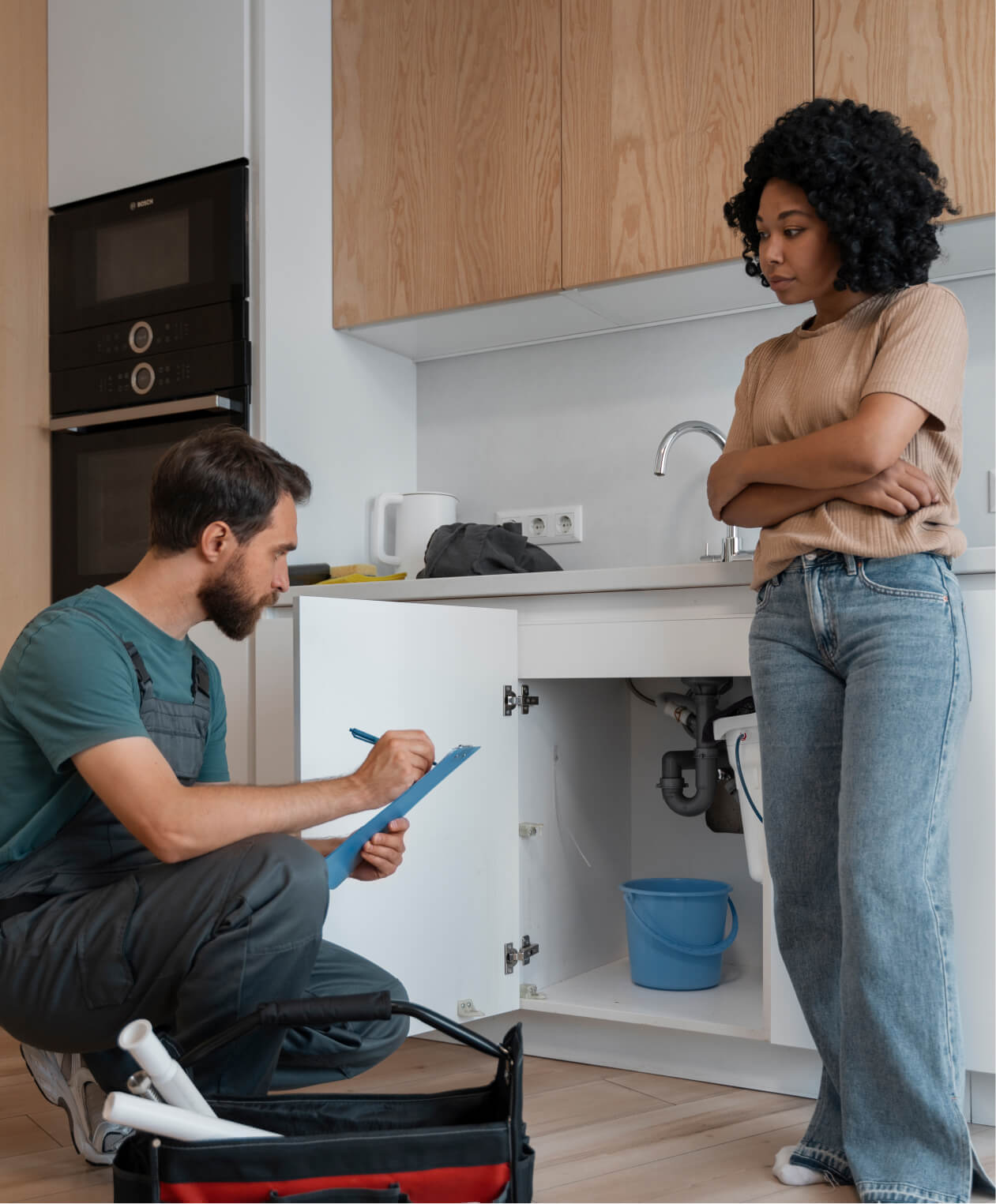
If plunging hasn’t worked, the clog is likely sitting in the P-trap — the curved pipe directly under your sink. Place a bucket beneath it, unscrew the slip nuts by hand or with channel-lock pliers, and pull the trap free. You’ll almost certainly find the clog inside. Clean it, rinse it, and reattach. This 10-minute job clears the majority of sink clogs we see.
What NOT to Do
- Don’t pour chemical drain cleaner down the line — it corrodes pipes and is dangerous to anyone who works on the system later.
- Don’t run the garbage disposal repeatedly hoping it will clear — you’ll just burn out the motor.
- Don’t keep running water if it won’t drain — you’re filling the basin for nothing and risking an overflow.
- Don’t ignore recurring slow drains. They’re warning you about a bigger problem upstream.
Preventing the Next Clog
A little prevention saves you a service call later. A few habits that make a real difference:
- Wipe grease and oil into a jar or paper towel before rinsing pans — never down the drain.
- Use a mesh hair catcher in every bathroom sink and shower.
- Run hot water for 15 seconds after washing dishes to flush soap residue through the line.
- Toss eggshells, coffee grounds, and fibrous foods (celery, corn husks, potato peels) in the compost or trash, not the disposal.
- Once a month, run the baking soda and vinegar treatment as preventative maintenance.
When to Call a Claremont Plumber
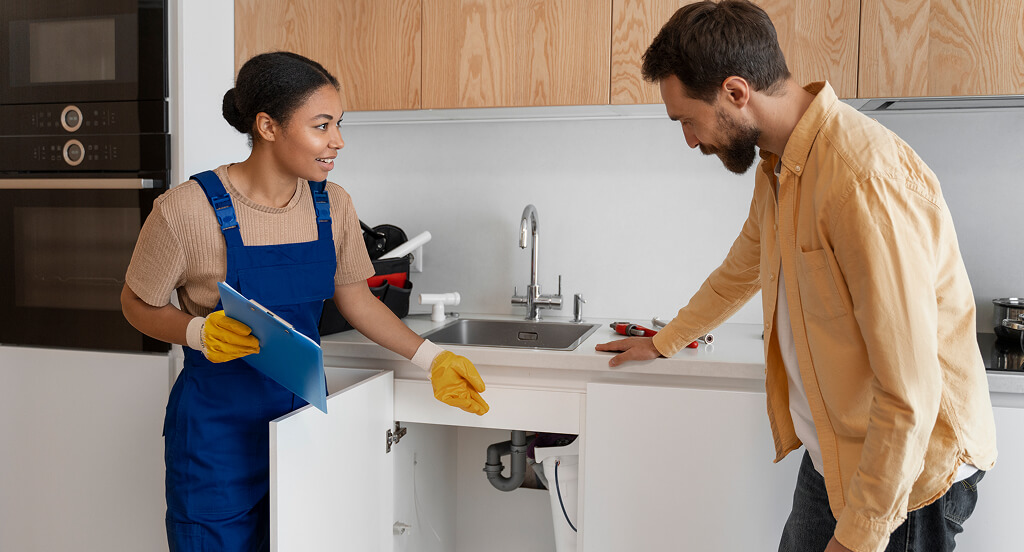
If you’ve cleaned the P-trap and the drain is still slow, the clog is deeper in your home’s plumbing — past the point a homeowner can safely reach. It’s also time to call a pro if:
- More than one sink in your home is draining slowly.
- You hear gurgling or smell a sewer-like odor from the drain.
- Water backs up into a different fixture when you run the sink.
- The same sink clogs again within a few weeks of clearing it.
Get Your Sink Flowing Again
Most sink clogs are an annoyance, not an emergency — but ignoring one always makes it worse. If you’d rather skip the bucket-under-the-sink routine, our Claremont team can usually unclog a sink in under an hour, with a fixed upfront price and no mess left behind.
Call 909-505-2564 anytime, day or night. We’re local, we’re fast, and we don’t leave until your water runs the way it should.