Here are seven safe, plumber-approved ways to unclog a drain at home, ranked from gentlest to most aggressive.
1. Boiling Water (Best for Grease and Soap Scum)
Slowly pour a kettle of boiling water down the drain in two or three stages, pausing between each pour. This is often enough to dissolve soap, grease, and other soft buildup in kitchen and bathroom sinks. Skip this step if you have PVC pipes that look old or brittle, and never use boiling water on a porcelain toilet — the temperature change can crack it.
2. Baking Soda and Vinegar (The Classic Combo)
Pour about one cup of baking soda into the drain, followed by one cup of white vinegar. Cover the drain with a plug or a wet rag and wait 15 minutes. Flush with hot water. This reaction loosens organic debris and deodorizes the pipe at the same time.\
3. A Plunger (Yes, Even on Sinks)
Most homeowners only think of plungers for toilets, but a cup-style plunger works on sinks and tubs too. Fill the basin with an inch or two of water, cover any overflow opening with a wet cloth, and plunge straight down for 20 to 30 seconds. The pressure change often pops the clog loose.
4. Remove and Clean the P-Trap
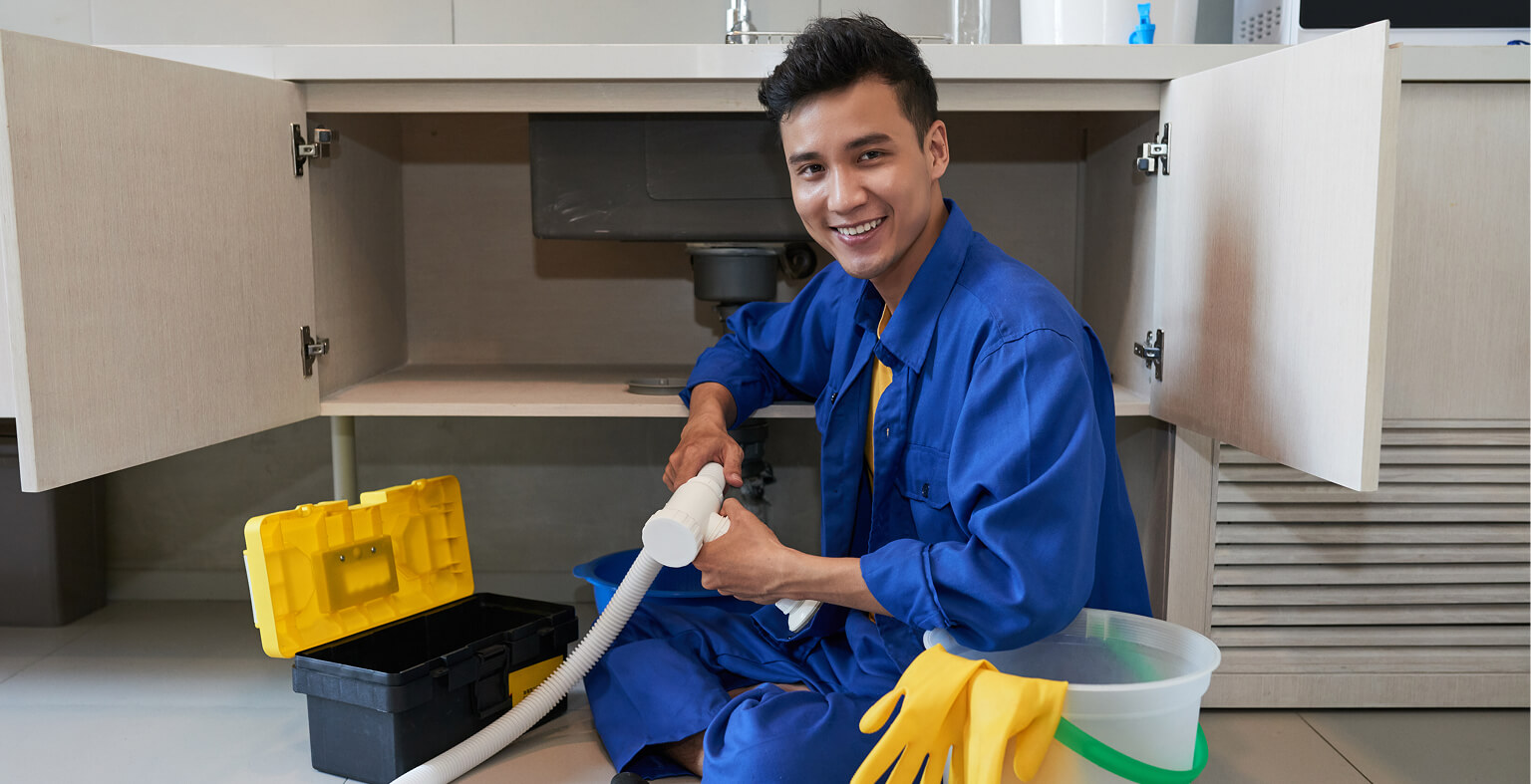
Under most sinks, you’ll see a curved pipe shaped like the letter U or J — that’s the P-trap. Place a bucket underneath, unscrew the slip nuts, and pull it free. You’ll likely find a wad of hair, food, or grease right there. Clean it out, rinse it, and reattach.
5. A Wire Hanger or Drain Snake
Straighten a wire coat hanger, bend a small hook on one end, and fish it down the drain to pull out hair and debris. For deeper clogs, a hand-cranked drain snake (also called an auger) reaches up to 25 feet and is one of the best $25 tools a homeowner can own.
6. Wet/Dry Shop Vacuum
If you own one, a wet/dry vacuum on the liquid setting can suck out stubborn clogs that a plunger can’t. Seal the hose tightly around the drain, hold it firmly, and let suction do the work for 10 to 15 seconds.
7. Enzyme-Based Drain Cleaner (Not Chemical)
Skip the harsh chemical drain cleaners — they corrode pipes and create hazards for any plumber who has to work on your line later. Instead, look for enzyme-based products that use natural bacteria to break down organic buildup over several hours. They’re slow but pipe-safe.
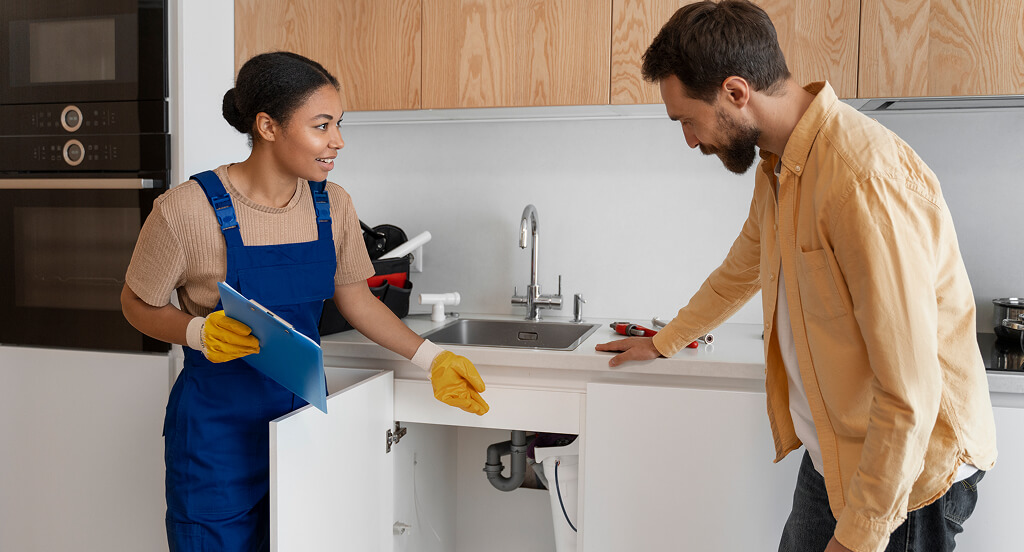
When to Stop and Call a Claremont Plumber
Some clogs aren’t really about the drain you can see — they’re about what’s happening deeper in your plumbing system. Call a professional if any of the following sound familiar:
- Multiple drains in your home are slow or backing up at the same time.
- You hear gurgling from another drain when you flush the toilet or run the dishwasher.
- Water is coming back up into a different fixture (a clear sign of a main line problem).
- You’ve tried two or more DIY methods with no improvement.
- You smell sewage in or around your home.
These are signs of a deeper blockage that needs camera inspection, professional augering, or hydro-jetting — not another bottle of liquid drain cleaner.
Final Word
Knowing how to unclog a drain at home saves you time, money, and the stress of waiting on a service call. But knowing when to put the snake down and call for help saves you something even more important — your floors, your walls, and your wallet.
If you’re in Claremont and you’ve hit the wall with DIY, our team is on call 24/7. Call 909-505-2564 and we’ll be there before the next bucket fills up.